Death Valley Natural History Association September E-Newsletter

Death Valley NP
New Report Shows Visitor Spending Impacts

A new National Park Service report shows that 1,440,484 visitors to Death Valley National Park in 2024 spent $146 million in nearby towns. The report highlights that visitors spent about $47 million on hotels and $28 million on restaurants, with additional spending on camping, gas, groceries, and retail. These local impacts reflect a larger national trend, with visitors to U.S. national parks generating $29 billion for surrounding communities last year.
Roads Closed Due to Storm Damage

On September 18, the remnants of Tropical Storm Mario brought 0.6 inches of rain to Death Valley, about a quarter of the average total. The storm’s fast runoff of water, mud, and rocks caused damage to roads and washed out shoulders. The following roads are currently closed: Badwater Road, North Highway, West Side Road, Twenty Mule Team Canyon, Cottonwood–Marble Roads, Mustard Canyon, and Keane Wonder Mine Road. Please check nps.gov/deva for the latest road status and conditions before traveling.
Ash Meadows NWR
The Smallest Butterfly in North America
Written By: Larry Lodwick
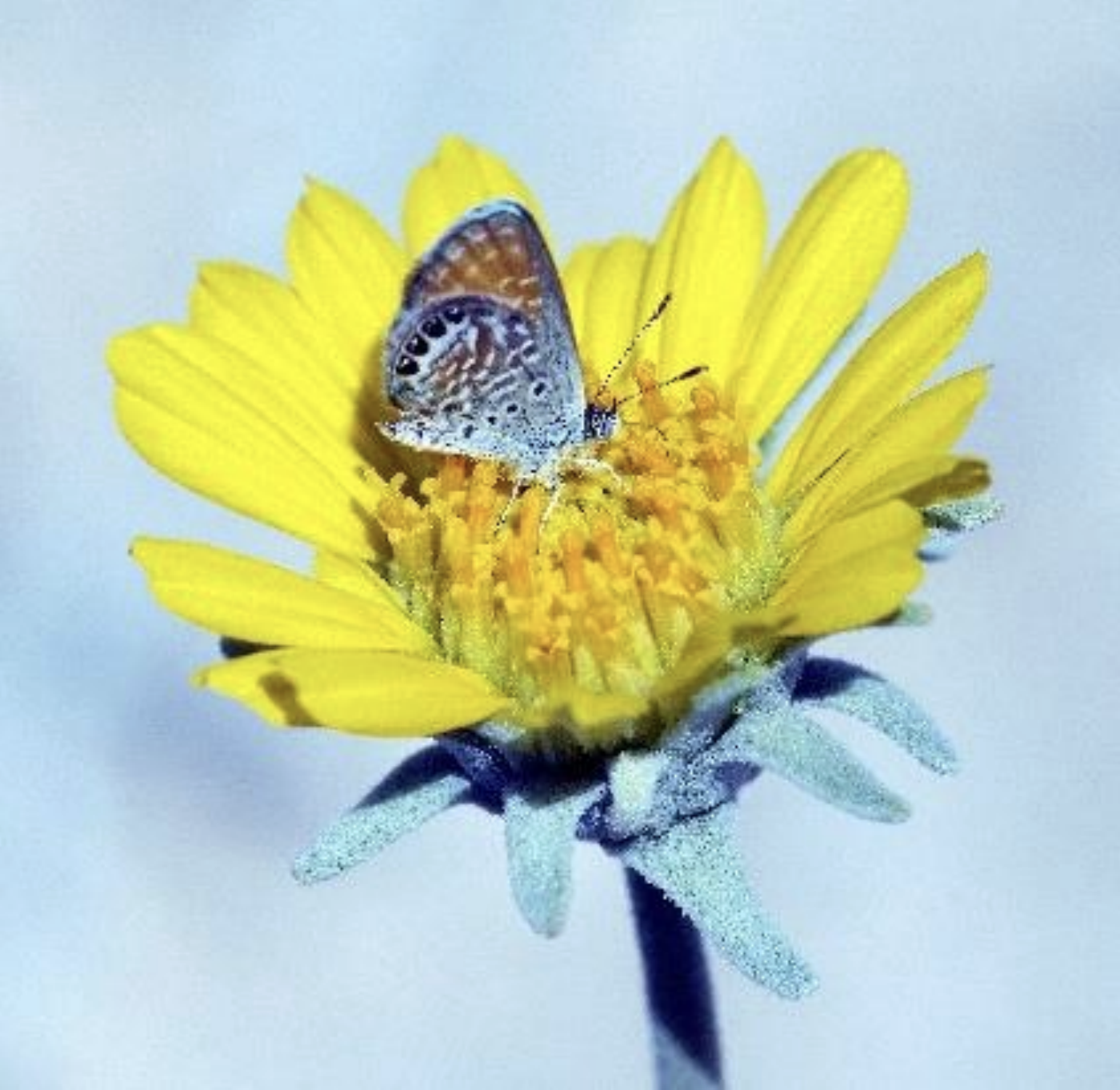
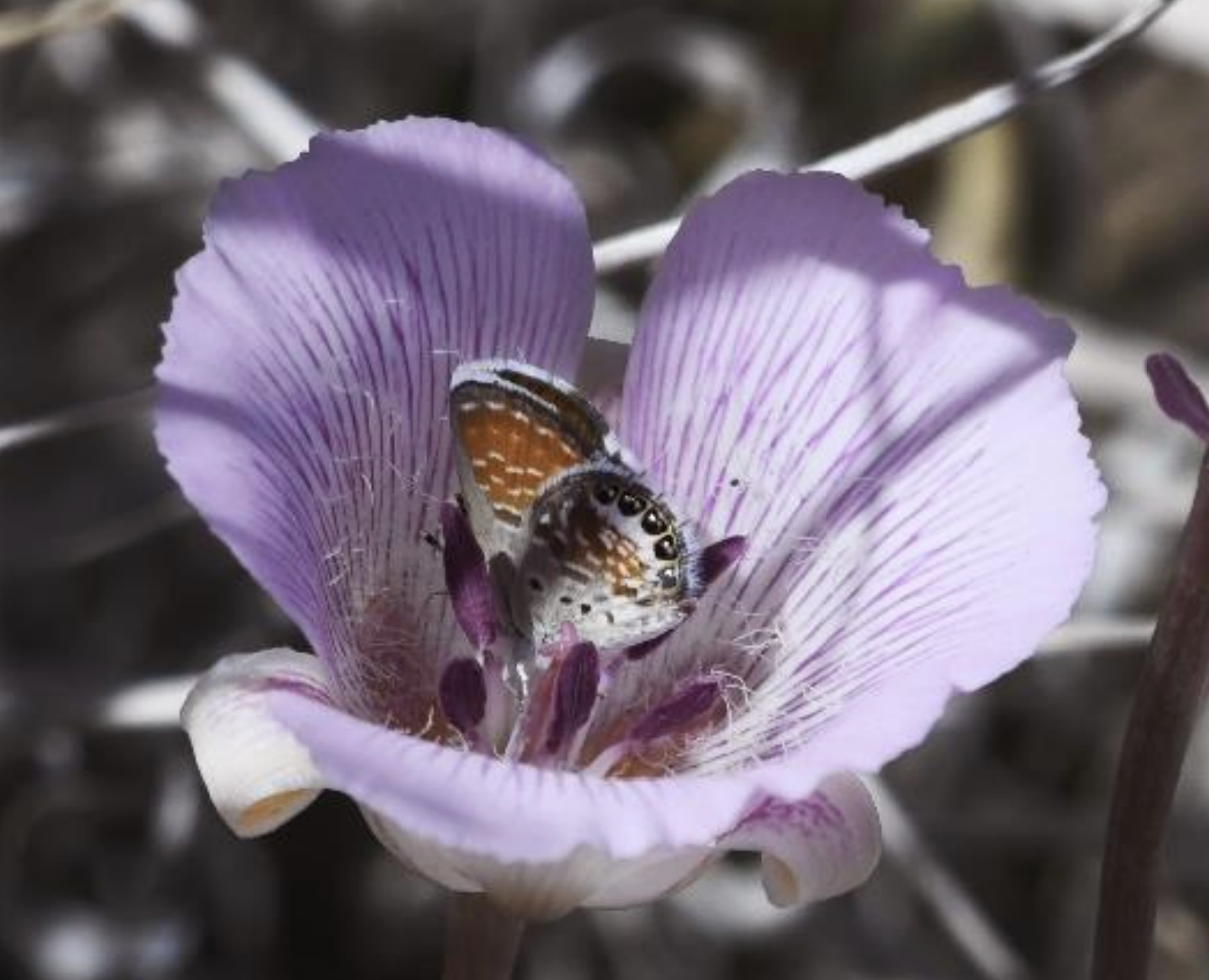
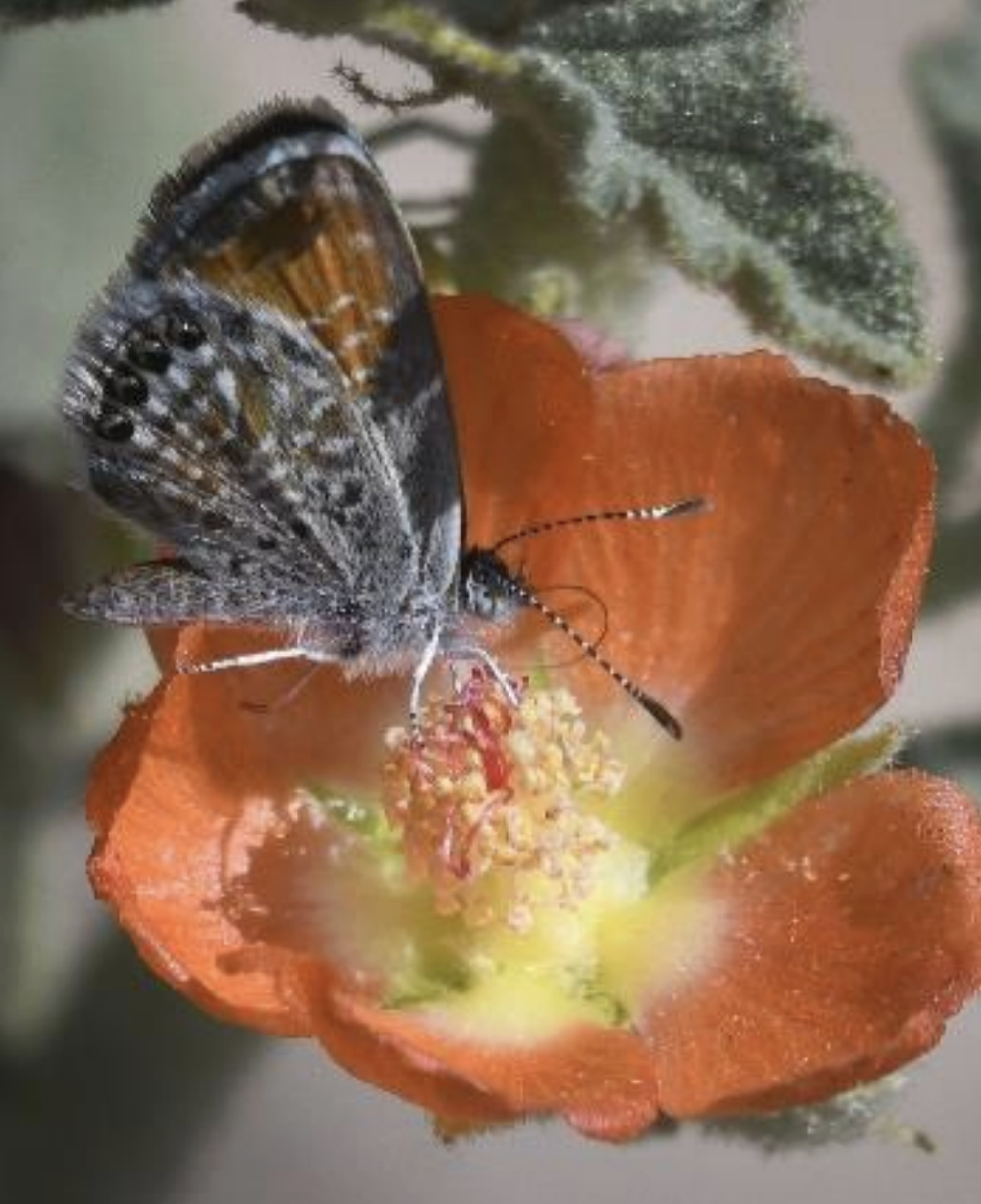
Any time you are at Ash Meadows, from early Spring through the Fall, if you see a tiny butterfly flying around visiting wildflowers, chances are it is a western pygmy blue butterfly (Brephidium exilis). These butterflies are probably the most common butterfly on the refuge. Their size is about two-thirds of an inch tall and wide with their wings in the upright resting position, making them the smallest butterfly in North America. With their rapid flight patterns, one may only notice a small, fast-moving insect, on which it is hard to see any details. They are actually found in many parts of the United States and Mexico, but have also spread to the middle east. So, what makes them so influential at Ash Meadows? The principal groups of plants which the western pygmy blue lays its eggs on are various species of saltbush (Atriplex), of which seven species common on the Refuge. When the eggs hatch, the caterpillars have no problem with a lack of these plants to feed on. When the caterpillars metamorphize into adult butterflies, their diet changes to nectar, and they are well adapted to feeding on a variety of flowers. They have been seen on different flower species, and while feeding on nectar, they come into contact with the various flower parts, including the pollen-bearing stamens and the pistils, to which the pollen is transferred. Therefore, these butterflies are responsible for the fertilization and seeding production of various flower species. Among the species benefitting from visits by these butterflies are the Ash Meadows sunray, a species listed as Threatened under the Endangered Species Act and the alkali mariposa lily, considered one of the species of concern and endemic to southern Nevada and California. However, these are just two of the species visited, other species are also benefited, such as the species of globe mallows, orange flowers found throughout the Mojave Desert in the spring; salt heliotropes, and on desert milkweeds just to name a few plant species visited.
DVNHA Store
Product Highlight

Discover the incredible true story of the Death Valley pupfish, a tiny survivor thriving in one of the harshest environments on Earth. Fish in the Desert combines vibrant illustrations with engaging science to spark curiosity and wonder in young readers. Perfect for families and classrooms, this book encourages a love of nature and a deeper respect for fragile ecosystems. Bring this inspiring story home today!
Death Valley Natural History Association | dvnha.org
Education ● Preservation ●
Mission
Preserving and interpreting the natural and cultural resources of the Death Valley region in cooperation with our government partners:
Death Valley National Park and Ash Meadows National Wildlife Refuge
Discover more from Eastern Sierra Now | Local News
Subscribe to get the latest posts sent to your email.