



Spotlight On: First Choice Solutions
Navigating California’s developmental disability programs can often be a challenge for parents. Getting the right support can be overwhelming, but there is an organization that can help with that journey.
For our newest Spotlight On, we are interviewing Dustlyne Beavers from First Choice Solutions.
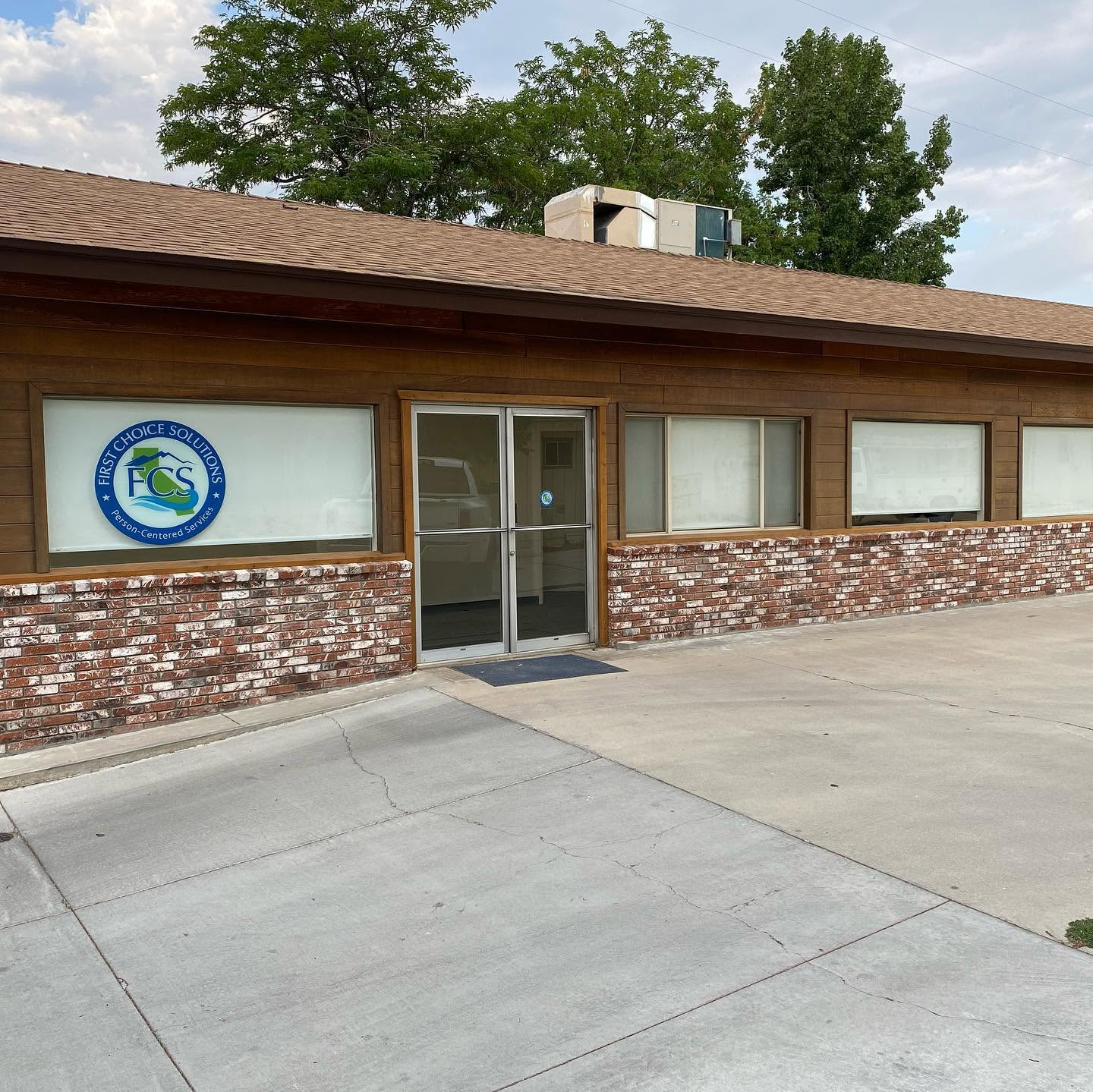
For readers who may not be familiar, what is the core mission of First Choice Solutions?
First Choice Solutions helps individuals with developmental disabilities and their families understand, access, and successfully use services through the California Regional Center system, especially the Self-Determination Program. We support people from age three through end-of-life who have developmental disabilities that began before age 18, including autism, cerebral palsy, intellectual disabilities, epilepsy/seizure disorders, and related support needs.
Our mission is to help people have more choice and control over their lives. That means helping individuals and families understand their options, build strong support teams, and create plans that reflect the person’s real goals, needs, culture, relationships, and community. We believe services should be built around the person, not the other way around.
How did First Choice Solutions originate, and what initial problem or gap in the market inspired its creation?
First Choice Solutions was founded in 2019 after I spent many years working in the Regional Center system as a Service Coordinator, Self-Determination Pilot Program Coordinator, Service Broker, and Independent Facilitator. In those roles, I saw how many families wanted something more individualized and flexible but did not know where to start or how to navigate the process.
The gap I saw was not a lack of effort from families. It was a lack of clear guidance and hands-on support from people who understood both the system and the practical realities families face every day. First Choice Solutions was created to help fill that space by providing knowledgeable, person-centered support that helps individuals and families move from feeling overwhelmed to feeling informed, prepared, and supported.
When a new client approaches you, what does your onboarding or assessment process look like within the first 30 days?
In the first 30 days, the most important thing we do is listen. We want to understand who the person is, what is working, what is not working, what the family is worried about, and what the person wants their life to look like. We talk about current supports, routines, goals, safety concerns, communication needs, family dynamics, and any immediate issues that need to be addressed.
We also review key documents such as the IPP, current services, budget or spending plan information, assessments, and Regional Center history. From there, we help organize priorities and create a clear plan for moving forward. For some families, that may mean learning the basics of Self-Determination. For others, it may mean preparing for an IPP meeting, building a staffing plan, addressing service gaps, or helping coordinate with the Regional Center and the organizations that work with the individuals we support. Every person comes to us from a different place, so the first month is really about building trust, getting organized, and determining what needs to happen first.
Since founding or expanding the business, what has been your biggest learning experience?
One of my biggest learning experiences has been that this work is about much more than services, budgets, and paperwork. Those pieces matter, but the bigger work is helping people feel heard, supported, and confident enough to lead their own process. Many families come to us after years of frustration or after being told “no” so many times that they stop asking for what they really need.
I have also learned how important it is to balance compassion with structure. Families often need a great deal of support, especially when they are new to Self-Determination or dealing with a difficult situation. At the same time, effective advocacy requires clear communication, documentation, follow-through, and realistic planning. As the business has grown, I have learned that strong systems allow us to provide better support without losing the personal, relationship-based approach that makes this work meaningful.
You work with individuals of all ages and at various stages of the Self-Determination process. How do you tailor your approach to meet the unique needs of different age groups and developmental stages?
We tailor our approach by looking at the whole person, not just their age, diagnosis, or service category. A young child may need support focused on family education, routines, communication, behavior, inclusion, and helping parents understand what services may be available. A teenager or young adult may need more focus on self-advocacy, employment exploration, social opportunities, transition planning, and building independence in a way that is safe and realistic.
For adults, needs can look very different depending on the person’s stage of life. Some people are working toward employment, housing, community involvement, or building a more independent life. Others may need significant support with staffing, medical needs, behavioral support, communication, or maintaining stability at home. We adjust the pace, language, planning process, and level of team involvement based on what each person needs. The goal is always the same: to support a life that is meaningful, safe, and directed by the person as much as possible.
Dustlyne Beavers
(760) 920-9173
[email protected]
A special thank you to Dustlyne for this interview!
Discover more from Eastern Sierra Now | Local News
Subscribe to get the latest posts sent to your email.


